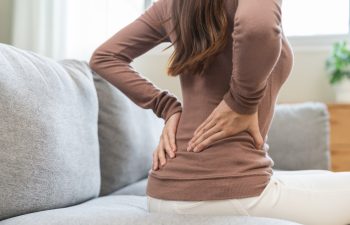
When most people think about stretching in San Jose and Los Gatos, they focus on the obvious areas – hamstrings, calves, shoulders. But there’s one critical muscle that almost everyone neglects, despite it being arguably the most important muscle in your body for overall mobility, posture, and pain-free movement. At The Stretch Masters, our physician-supervised stretch therapists see this overlooked muscle causing problems for countless clients throughout the South Bay.
That muscle? Your psoas. And chances are, you’re not stretching it properly – or at all.
What Is the Psoas and Why Does It Matter?
The psoas major is a deep-seated core muscle that runs from your lower spine through your pelvis to the top of your femur. Along with the iliacus muscle (together called the iliopsoas), it’s the only muscle that directly connects your spine to your legs. This unique position makes it absolutely crucial for virtually every movement you make.
Think about it: every time you walk, stand up from a chair, climb stairs, or even just maintain good posture, your psoas is working. It’s responsible for hip flexion, spinal stabilization, and plays a major role in your body’s structural balance. When your psoas functions properly, movement feels effortless. When it’s tight or weak, everything becomes harder.
For San Jose professionals who spend hours sitting at desks, the psoas is particularly vulnerable. Extended sitting keeps this muscle in a shortened position for hours on end, leading to tightness, weakness, and a cascade of problems throughout your body.
The Hidden Consequences of a Tight Psoas
A tight psoas doesn’t just affect your hips – it creates problems throughout your entire body. At The Stretch Masters in San Jose and Morgan Hill, our physical therapists and physicians regularly treat patients whose chronic pain stems from psoas dysfunction, even though they had no idea this muscle was the culprit.
Here’s what a tight psoas can cause:
- Lower Back Pain: When your psoas is tight, it pulls your lumbar spine forward, creating excessive arch in your lower back. This places enormous strain on your spinal discs and facet joints, leading to chronic pain that many people assume is just part of aging
- Hip Pain and Reduced Mobility: Tight psoas muscles restrict hip extension, making it difficult to take full strides when walking or running. This compensation pattern stresses your hip joints and surrounding muscles
- Poor Posture: A shortened psoas tilts your pelvis forward, creating the anterior pelvic tilt that contributes to that hunched-forward posture so common among Los Gatos desk workers
- Knee Problems: When your psoas is tight, your body compensates by altering your gait and placing abnormal stress on your knees
- Digestive Issues: The psoas lies very close to your digestive organs, and chronic tension in this muscle can actually affect digestion and contribute to discomfort
- Breathing Difficulties: Because the psoas attaches to your diaphragm, tightness in this muscle can restrict your ability to take full, deep breaths
Why Your Psoas Gets So Tight in San Jose
The modern lifestyle in San Jose and throughout Silicon Valley creates the perfect storm for psoas problems. Our physician-led team at The Stretch Masters sees these contributing factors daily:
Extended sitting is the primary culprit. Whether you’re working at a tech company in San Jose, commuting long distances, or simply living a sedentary lifestyle, hours of sitting keep your psoas in a shortened position. Over time, the muscle adapts to this position, becoming chronically tight and losing its ability to lengthen properly.
Stress and emotional tension also contribute significantly. The psoas is often called the “fight or flight” muscle because it’s intimately connected to your stress response. Chronic stress causes the psoas to contract and remain tense, even when you’re not consciously stressed. Many Los Gatos professionals carry years of accumulated tension in their psoas without realizing it.
Athletic activities, particularly running and cycling, can paradoxically contribute to psoas tightness despite being healthy activities. These movements repeatedly engage the psoas in a shortened range, and without proper stretching, the muscle becomes progressively tighter.
Are You Actually Stretching Your Psoas?
Here’s the problem: most people who think they’re stretching their hip flexors aren’t effectively targeting the psoas. The typical runner’s lunge or standing quad stretch primarily affects the rectus femoris and other superficial hip flexors while barely touching the deep psoas muscle.
The Stretch Masters’ myofascial release specialists understand the anatomy and biomechanics required to effectively stretch this deep muscle. Our assisted stretching sessions in San Jose incorporate specific techniques that:
- Position your body to isolate the psoas while minimizing compensation from other muscles
- Apply sustained pressure at the right angles to release fascial restrictions
- Combine stretching with breathing techniques that enhance psoas release
- Address the entire iliopsoas complex, not just superficial hip flexors
This is why professional assisted stretching delivers results that home stretching simply can’t match. Our therapists’ hands-on expertise ensures every stretch targets the right structures with appropriate intensity and duration.
The Right Way to Stretch Your Psoas
While nothing replaces professional assisted stretching from our Morgan Hill and San Jose locations, understanding proper psoas stretching techniques helps you maintain flexibility between sessions.
The most effective psoas stretch is a modified lunge position, but technique is everything. Start in a kneeling lunge with your right foot forward, left knee on the ground. The key is what happens next: you need to posteriorly tilt your pelvis (tuck your tailbone under) while keeping your torso upright and extending through your left hip. This combination isolates the psoas in a way that a standard lunge never will.
Many people make the mistake of arching their back or leaning forward during this stretch, which actually shortens the psoas rather than lengthening it. You should feel the stretch deep in your front hip, not in your back or thigh.
Another effective approach involves lying on your back with one leg hanging off the edge of a table or bed, while hugging the opposite knee to your chest. This position allows gravity to assist in the stretch while preventing the compensation patterns that occur in standing stretches.
However, even with perfect technique, self-stretching has limitations. The psoas is a deep muscle that requires sustained pressure and precise positioning to release effectively. This is where The Stretch Masters’ physician-supervised approach makes a real difference for San Jose and Los Gatos residents seeking lasting results.
Why Professional Assisted Stretching Works Better
At The Stretch Masters, our unique combination of physician oversight and physical therapist expertise sets us apart from typical stretching studios in San Jose. Our team understands not just how to stretch the psoas, but why it’s tight in the first place and how to address the root causes.
During an assisted stretching session, our therapists can:
- Apply precise pressure that you can’t replicate on your own
- Hold stretches for optimal durations while you remain completely relaxed
- Identify and address compensation patterns you don’t even know you’re using
- Combine psoas stretching with myofascial release techniques that address fascial restrictions
- Adjust positions based on your body’s real-time feedback
This comprehensive approach explains why clients throughout the South Bay experience dramatic improvements in mobility, reduced pain, and better posture after regular sessions at our San Jose and Morgan Hill locations.
The Connection to Other Problem Areas
One reason the psoas is so important is its relationship to other common problem areas our Los Gatos and San Jose clients struggle with:
- Lower Back Pain: The psoas attaches directly to your lumbar vertebrae. Releasing psoas tension often provides more lower back pain relief than directly targeting back muscles, because you’re addressing the root cause rather than just symptoms.
- Hip Flexor Tightness: While people often complain about “tight hip flexors,” the psoas is usually the primary culprit. Superficial hip flexor stretches provide temporary relief, but lasting improvement requires addressing the deep psoas.
- Sciatic Nerve Issues: A tight psoas can compress or irritate the sciatic nerve, causing radiating pain down the leg. Our assisted stretching sessions incorporate techniques that release pressure on this nerve.
- Core Weakness: Paradoxically, a chronically tight psoas often means a weak psoas. Stretching restores proper length-tension relationships, allowing the muscle to generate force effectively and contribute to core stability.
Signs You Need Professional Psoas Work
How do you know if psoas tightness is affecting you? Our San Jose stretch therapists look for these telltale signs:
- You struggle to stand up straight after sitting for extended periods. If you need a moment to “unfold” yourself when rising from your desk, your psoas is likely tight.
- You experience lower back stiffness or pain, especially in the morning or after sitting. This often indicates psoas-related spinal compression.
- Your stride feels short or restricted when walking or running. Tight psoas muscles prevent proper hip extension.
- You have anterior pelvic tilt – your lower back is excessively arched and your belly protrudes forward even when you’re at a healthy weight.
- You experience hip discomfort or clicking sensations during movement. These often indicate altered hip mechanics due to psoas dysfunction.
The Stretch Masters Difference in San Jose
What makes The Stretch Masters unique among stretching clinics in San Jose and Los Gatos? Our staff includes both physicians and physical therapists, providing a level of expertise that goes far beyond typical stretch studios. This medical foundation means we don’t just stretch muscles – we understand the complex biomechanics, neurology, and physiology behind every technique.
Our team is backed by physicians at the Allied Pain & Spine Institute, ensuring that every client receives care grounded in medical knowledge and tailored to their specific needs. Whether you’re recovering from injury, managing chronic pain, or simply want to move better, our holistic approach combines assisted stretching with myofascial release therapy to create transformative results.
Take the First Step Toward Better Movement in San Jose
If you’ve been struggling with lower back pain, hip tightness, poor posture, or reduced mobility, your psoas might be the missing piece of the puzzle. Don’t spend another day compensating for this critical muscle’s dysfunction.
The Stretch Masters serves San Jose, Los Gatos, Morgan Hill, and the surrounding South Bay communities with physician-supervised stretch therapy that delivers real, lasting results. Our personalized sessions target not just your psoas, but the entire network of muscles and fascia affecting your movement quality.
During your first session, our expert therapists conduct a thorough assessment to identify your unique needs and restrictions. We then guide you through customized stretches designed to improve flexibility, reduce muscle tension, and enhance your overall physical wellness. Each session is tailored specifically to your body, your goals, and your concerns.
Ready to finally address the most important muscle you’ve been neglecting? Contact The Stretch Masters in San Jose today to schedule your personalized stretching session. Discover how professional assisted stretching can help you move better, feel better, and live without the limitations that tight psoas muscles create. Your body will thank you for finally giving this crucial muscle the attention it deserves.
Experience the difference that physician-supervised, physical therapist-led stretch therapy makes. Visit The Stretch Masters in San Jose or Morgan Hill and take control of your mobility, flexibility, and overall well-being. Don’t let a tight psoas hold you back from living your most active, pain-free life.
Posted on behalf of
1610 Blossom Hill Road, Suite 4
San Jose, CA 95124
Phone: (408) 521-0080
Email: james.petros@myalliedpain.com